Is your foam cutter overheating and disrupting your workflow? Understanding why my foam cutter overheats is crucial for maintaining efficiency and prolonging equipment life. In this guide, we'll explore the top 5 common causes behind overheating issues—from improper ventilation to dull blades—and provide practical solutions to keep your operations running smoothly. Whether you're an operator, technician, or procurement specialist, these insights will help you optimize performance and prevent costly downtime.
1. Poor Ventilation and Airflow
One of the most frequent reasons why foam cutters overheat is inadequate ventilation. Laser cutting machines generate significant heat during operation, and without proper airflow, this heat accumulates, leading to performance degradation and potential damage. Many industrial environments have dust or debris that can clog vents, reducing cooling efficiency. To fix this, regularly inspect and clean the ventilation system, ensuring that fans and heat sinks are free from obstructions. Additionally, consider upgrading to a foam cutter with enhanced cooling mechanisms, such as dual-fan systems or liquid cooling, especially if you operate in high-temperature environments. For operators, maintaining a clean workspace and ensuring the machine has at least 6-12 inches of clearance around vents can drastically improve thermal management.
2. Dull or Worn-Out Blades
A dull blade forces the foam cutter to work harder, increasing friction and heat generation. This is particularly common in high-volume production settings where blades are used extensively without regular maintenance. Signs of a worn-out blade include uneven cuts, increased noise, and visible discoloration on the foam edges. To prevent overheating due to blade wear, establish a routine inspection schedule. Replace blades after every 50-100 hours of use, depending on material density. For procurement specialists, investing in high-quality, carbide-tipped blades can extend lifespan and reduce heat-related issues. Technicians should also calibrate blade alignment and tension regularly, as misalignment can exacerbate overheating problems.
3. Incorrect Power Settings
Operating your foam cutter at incorrect power settings is another primary reason for overheating. Many operators mistakenly believe that higher power equals better performance, but excessive power generates unnecessary heat and strains components. Conversely, insufficient power causes the machine to work longer on each cut, also leading to heat buildup. Consult your machine's manual for recommended power settings based on material type and thickness. Modern laser foam cutters often feature automatic power adjustment—ensure this function is enabled. For technical evaluators, consider machines with real-time power monitoring systems that prevent thermal overload. A good rule of thumb: start at 50% power and adjust incrementally until achieving clean cuts without excessive heat.
4. Lack of Regular Maintenance
Neglecting routine maintenance is a leading contributor to why foam cutters overheat. Dust accumulation on electrical components, degraded thermal paste on heat sinks, and worn bearings all increase operating temperatures. Create a maintenance checklist that includes monthly inspections of cooling systems, quarterly lubrication of moving parts, and annual professional servicing. Pay special attention to the laser tube and mirrors in CO2 cutters—misalignment can cause energy loss and heat spikes. Distributors should educate clients on maintenance protocols, as proper care can double equipment lifespan. For busy operations, predictive maintenance sensors that monitor temperature and vibration can provide early warnings before overheating occurs.
5. Environmental Factors and Overuse
Environmental conditions and operational practices significantly impact why your foam cutter overheats. High ambient temperatures, humidity, and direct sunlight can all push equipment beyond safe thermal limits. Similarly, continuous operation without cool-down periods prevents heat dissipation. Implement work cycles that allow the machine to rest—for example, 45 minutes of operation followed by 15 minutes of cooling. For facilities in hot climates, consider installing air conditioning or dedicated cooling systems near cutting stations. Procurement teams should evaluate machines with thermal protection features that automatically shut down before critical temperatures are reached. Data shows that maintaining an operating environment between 15-25°C (59-77°F) can reduce overheating incidents by up to 60%.
Proactive Solutions to Prevent Overheating
Beyond addressing specific causes, adopting comprehensive thermal management strategies will minimize why your foam cutter overheats. Upgrade to machines with advanced cooling technologies like vortex tube coolers or closed-loop chiller systems. Implement IoT-enabled temperature monitoring that sends alerts when components approach dangerous thresholds. For operations processing dense materials like polyethylene foam, consider auxiliary cooling attachments. Regular staff training on proper operating procedures and early warning signs of overheating can prevent minor issues from escalating into major failures. Document all maintenance and repairs to identify patterns—this data helps technicians pinpoint recurring thermal issues.
Conclusion and Next Steps
Understanding why your foam cutter overheats is the first step toward optimizing performance and avoiding costly downtime. From ensuring proper ventilation to maintaining sharp blades and correct power settings, each factor plays a critical role in thermal management. Regular maintenance and environmental controls further enhance reliability. For businesses relying on continuous foam cutting operations, investing in modern equipment with built-in thermal protection pays dividends in productivity and longevity.
Ready to upgrade your foam cutting system with advanced overheating protection? Contact our laser cutting experts today for a personalized assessment of your thermal management needs and discover industry-leading solutions that keep your operations running cool and efficient.
Related Products
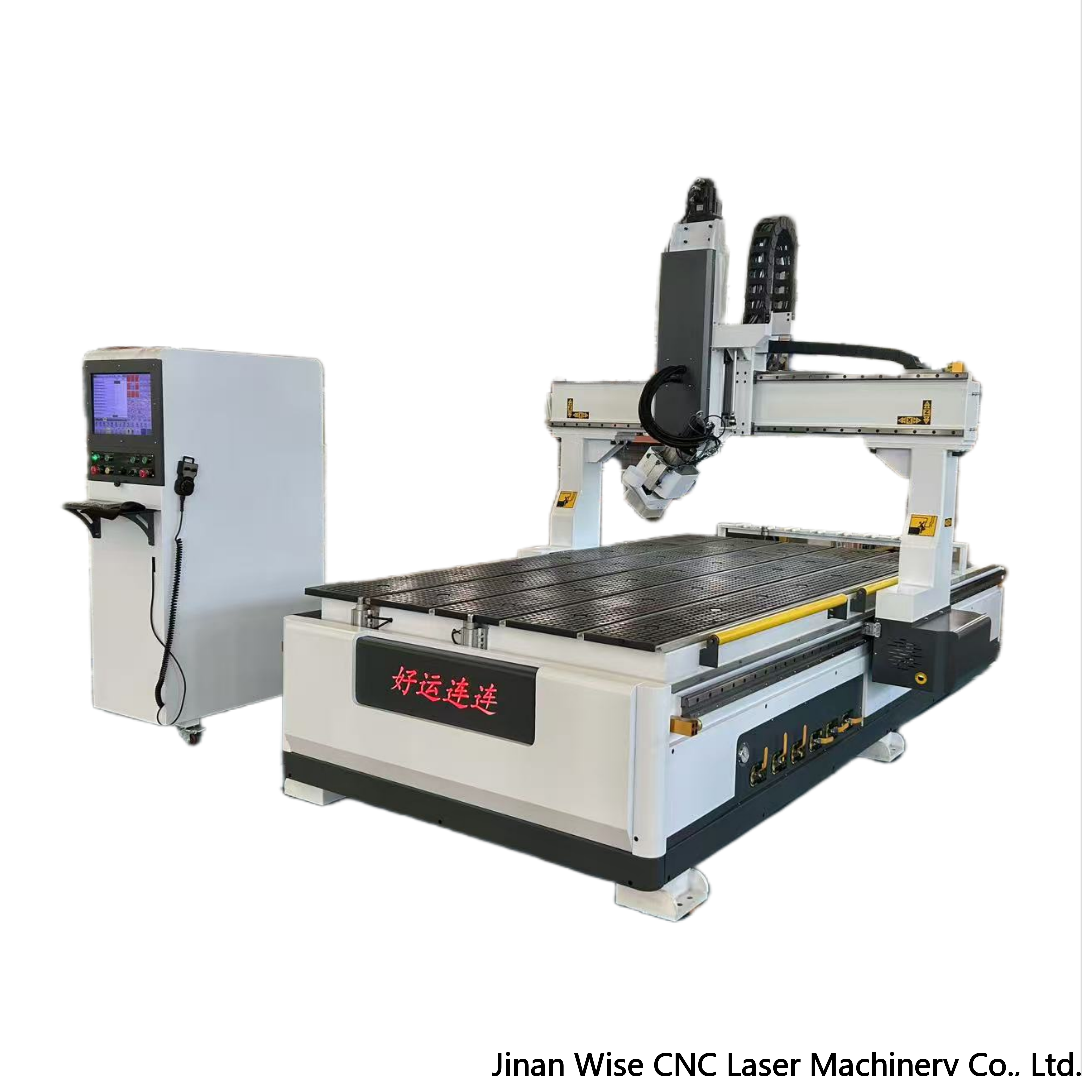
 WS1530-4 Axis ATC CNC Router for Wood and Foam
 5 Axis WS1330 Hot Wire CNC Foam Cutting Machine
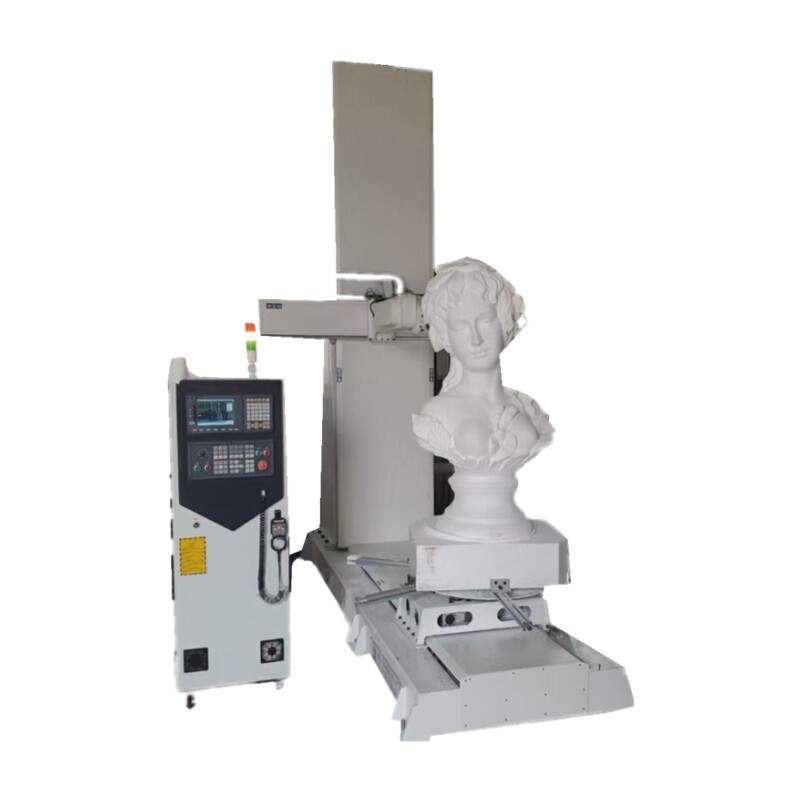
- WS2025 Foam Sculpture/Statue CNC Milling Machine
 WS1325 5 Axis Styrofoam CNC Router (Table Move)
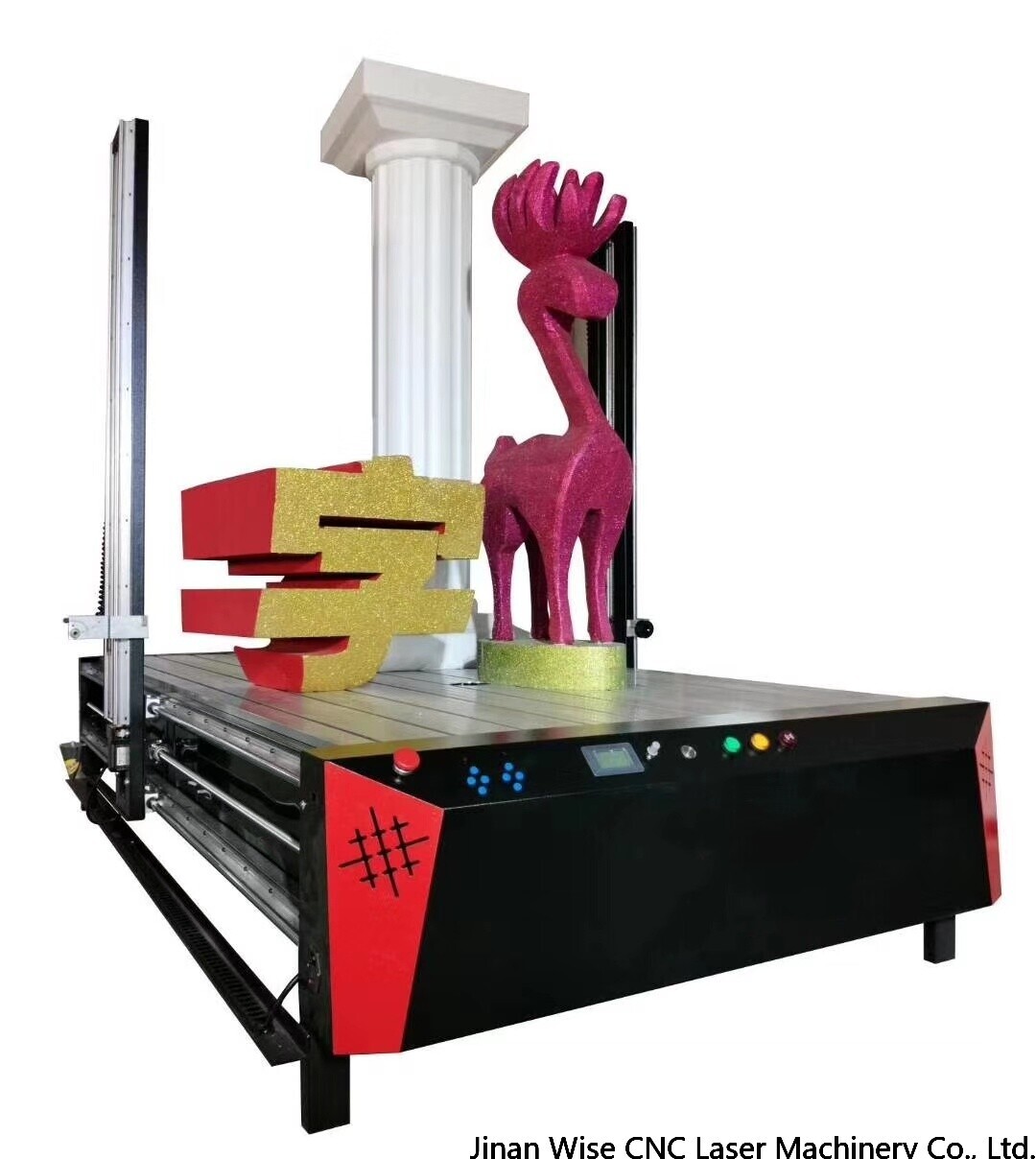
 3d Hot Wire CNC Foam Cutter 3D Foam Cutting Machine
 Sponge Foam Cutting Machine Horizontal
 WS1010 Small Industrial EPS Block Automatic Hot Wire CNC Foam Cutting Machine